


7 Reasons Your Car Feels Sluggish and How to Fix It

Quick Summary
A car sluggish under acceleration usually points to a problem with air, fuel or ignition, such as a clogged air filter, worn spark plugs or a weak fuel pump. Work through fault codes, intake leaks, spark and fuel pressure in order to find the cause.
Check the air filter by holding it to the light and replace it if you cannot see through.
Read stored and pending fault codes with a cheap OBD reader as your first diagnostic step.
A split hose after the air flow sensor leans the mix out and causes sluggishness.
Low tyre pressures make any car feel heavy, so check them before booking a repair.
A blocked DPF can cause reduced power, poor fuel economy and frequent forced regenerations.
Table of Contents
Why Is My Car Sluggish? Start With These Common Causes
Last Updated: October 26, 2026
If you are wondering why your car is sluggish, the answer usually sits in one of three places: air, fuel or ignition. A modern engine needs the right mix of all three, delivered at the right moment. When any one of them falls short, the car feels heavy, flat and slow to respond. Below, we walk through common checks and possible fixes.
Air, Fuel and Ignition: The Three Basics
A sluggish car is a car that is not breathing, burning or sparking properly. Air comes in through the filter and intake. Fuel arrives through the pump and injectors. The spark plug or glow plug lights the mix. Block any one of these and power drops.
Possible causes include:
A clogged or dirty air filter
A restricted intake system
Worn spark plugs or a failing coil pack
A blocked fuel filter or weak pump
A dirty mass air flow sensor
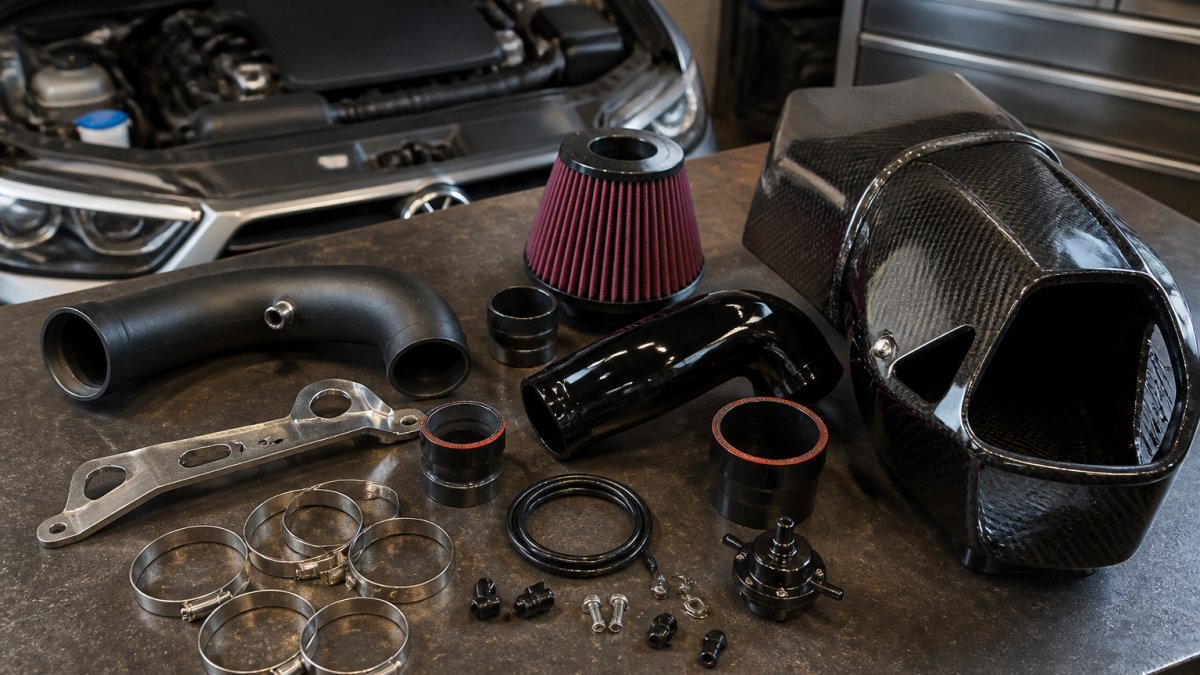
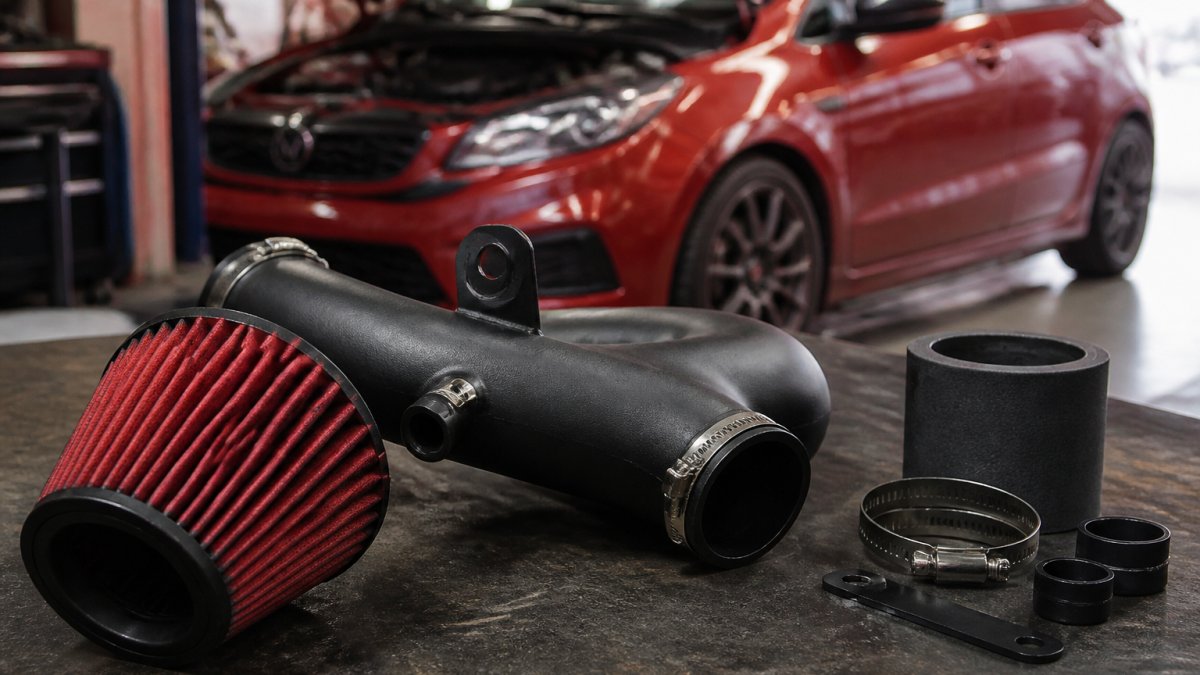
A restricted intake is one possible cause. If you suspect yours is holding the car back, our shop stocks induction kits and intake parts.
Quick Checks You Can Do at Home
Start with the simple stuff before you book anything.
Check the air filter: hold it up to the light. If you cannot see through it, replace it.
Look for a warning light on the dash and note the code if you have a reader.
Listen for a rough idle or misfire at standstill.
Note when the sluggishness happens: cold start, under load, or all the time.
Check tyre pressures. Low tyres make any car feel heavy.
These checks can help you note what is happening before a spanner touches the car.
Car Sluggish When Accelerating? Work Through These Steps
When a car is sluggish when accelerating, the fault is usually load-related: something cannot keep up when you demand power. Work through this order.
Read the fault codes. A cheap OBD reader shows stored and pending codes.
Check the intake for leaks. A split hose after the air flow sensor leans the mix out.
Test the spark. Pull a plug and check the gap and colour.
Check fuel pressure. A weak pump shows up under hard acceleration.
Inspect the turbo or boost pipes on turbocharged cars for splits or loose clamps.
If the car pulls cleanly at low revs but goes flat when you press on, boost or fuel delivery are possible areas to investigate.
Work through these checks in order when the car feels flat under acceleration.
Step | What to check | What it shows |
1 | Read the fault codes | Stored and pending codes with a cheap OBD reader |
2 | Check the intake for leaks | A split hose after the air flow sensor leans the mix out |
3 | Test the spark | Pull a plug and check gap and colour |
4 | Check fuel pressure | A weak pump shows up under hard acceleration |
5 | Inspect turbo or boost pipes | Splits or loose clamps on turbocharged cars |
DPF Blocked Symptoms Every Driver Should Recognise
A blocked diesel particulate filter is one possible cause of a sluggish diesel. The DPF traps soot, then burns it off during a regeneration cycle (Diesel particulate filters).
Possible signs to look out for include:
A warning light or message on the dash
Reduced power, often called limp mode
Poor fuel economy
A hot, burning smell after a run
Frequent forced regenerations
Rough running or hesitation
A persistent DPF fault code needs diagnosis.
What an Engine Diagnostic Check Actually Reveals
An engine diagnostic check reads the fault codes stored by the car's ECU and compares live sensor data against expected values. It shows what the engine is doing right now, not just what went wrong once.

For more on tuning and diagnostics, our blog shares information for trade and private customers alike.
ECU Remapping for Improved Performance and Responsiveness
ECU remapping changes the engine's control software and can affect how it delivers power.
If you are weighing up an induction kit alongside a remap, read our guide on whether an induction kit and remap package is worth it. You can also see our custom tuning service.
Book a Diagnostic Check or Remap With Kestrel Prestige
We offer remapping. Trade and public customers both get discounts, member-only offers and a free gift on every remap. Book online to arrange your remap.
Frequently Asked Questions
Can a blocked DPF make a car feel sluggish?
A blocked DPF is one possible cause of sluggishness. A warning light may also appear. If you have a DPF fault code, seek advice from a qualified professional.
Why does my car lose power when going uphill?
Uphill driving demands more torque, so a car may feel sluggish if it has an underlying issue. Possible causes include a dirty air filter, a failing MAF sensor, a boost leak on a turbocharged car, or a clogged fuel filter. If the car is fine on flat roads but struggles on inclines, these are possible areas to investigate.
Is it safe to drive a car that feels sluggish?
If your car feels sluggish, consider seeking advice from a qualified professional. If you notice warning lights, smoke or unusual noises, consult your vehicle handbook and seek appropriate assistance.
Will ECU remapping fix a sluggish car?
ECU remapping changes engine control software and is not a repair for a mechanical fault. If the car is sluggish because of a blocked DPF, a failing sensor or a worn component, those issues need attention first.
If your car feels flat and you want it sorted properly, let us take a look. Kestrel Prestige offers custom tuning, induction kits and diagnostics with over 20 years behind every map. Get started with Kestrel Prestige and get your car responding the way it should.

Comments