


How to Safely Remap Your Engine: A Step-by-Step Guide

Last Updated: October 30, 2026
Quick Summary
To safely remap engine performance, first run a full diagnostic health check and fix any fault codes, then have a competent tuner write a custom file for your exact engine code, back up the original map and validate the results with data logs afterwards. A remap is only safe when the file, the hardware and the tuner are all right.
Clear fault codes before a remap hides faults rather than fixing them.
Back up the original map before anything new is written.
A tuner promising the same gain for every car is selling a generic file.
Re-scan for fault codes after the remap; any new code is a stop signal.
Tell your insurer about the remap or your cover can be voided.
Table of Contents
What to Check Before Remapping a Car
You cannot safely remap engine performance on a car that is already unwell. A remap adds load, so any weakness gets worse, faster. The pre-remap check is the most important part of the job.
Treat preparation as three stages: before the booking, on the day, and the go/no-go decision. A clear checklist turns general safety advice into something you can actually act on.
Stage 1: before you book
Confirm the engine code from the VIN or the logbook, not from the model name
Gather the full service history, including any missed intervals
Note every existing modification, from exhaust to intake to previous maps
Stage 2: diagnostic health check and fault codes
A fault code is a stored message from the engine control unit telling you a sensor or system has moved outside its expected range.
Read the live data too, not just the codes. Check fuel injection values, boost pressure against requested boost, and air-fuel ratio under load.
Watch out: clearing fault codes before a remap hides the underlying faults rather than fixing them.
Check for stored, pending and historic codes
Review live sensor data under load
Confirm the battery and charging system are healthy
Stage 3: mechanical limits and vehicle condition
Every engine has a ceiling. A tired clutch, a weak turbocharger or a worn camshaft will not survive extra torque.
Ask three questions. Is the mileage sensible for the age? Has the car been serviced on schedule? Are there any noises, smoke or warning lights?
A compression check is a sensible step on any petrol engine with high mileage.
Vehicle-specific limits matter more than generic advice. Age and mileage affect clutch and turbo life.
Watch Out If any of these checks throws up a fault, stop. A remap is not a fix for an underlying problem, and a tuner who proceeds anyway is taking your money and your risk.
The go/no-go decision
Walk away from the remap if the car has unresolved fault codes, a slipping clutch, a smoking turbo, a clogged DPF or a cooling system that already runs hot. Fix the fault first, then remap. That order is cheaper than the alternative.
Is ECU Remapping Safe?
ECU remapping is safe when the file is correct for that exact vehicle, the hardware is healthy and the work is done by a competent tuner.
Drop The Box
The engine control unit is a computer. It runs engine management software that controls fuel injection, ignition timing and boost pressure.
Done properly, a remap stays inside the manufacturer's safety margins. Done badly, it pushes the engine past its mechanical limits.
How a remap is carried out safely
A safe remap follows a fixed sequence, and none of it is guesswork.
Run a full diagnostic health check and log fault codes.
Back up the original map before anything is written.
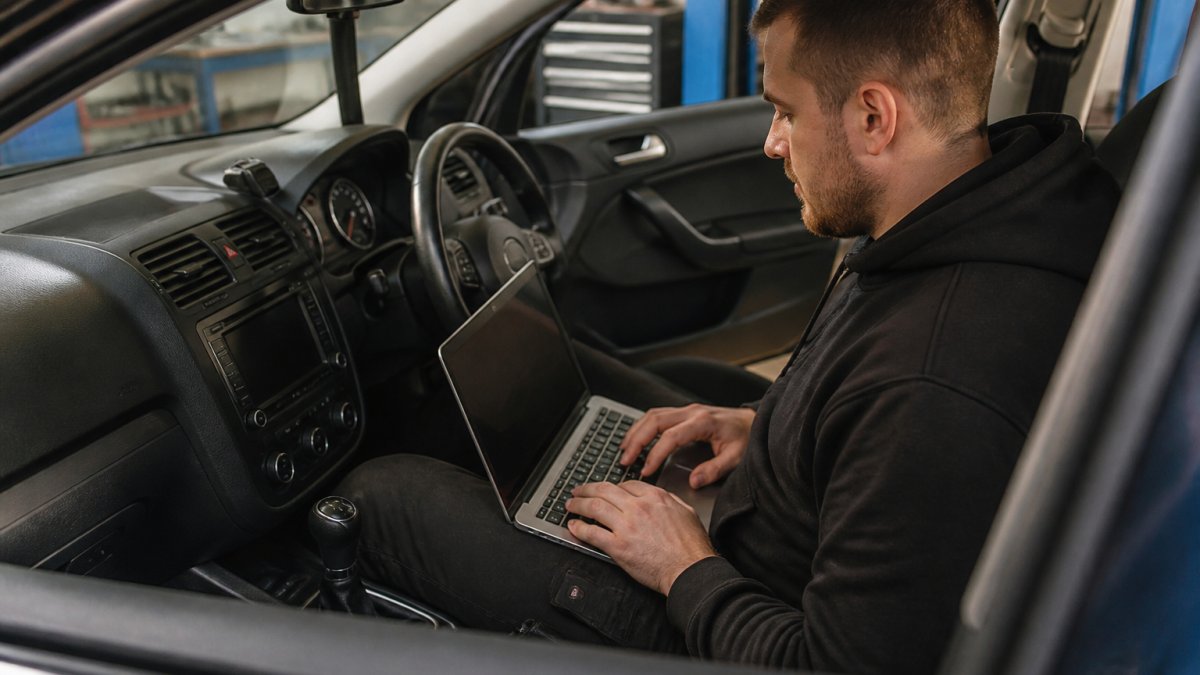
Read the ECU data through the OBD port, or on the bench or in boot mode where the ECU requires it.
Build a custom remap file for the vehicle's exact engine code and hardware.
Write the new map and run a dyno pull or road test.
Log the data again and check fuel trims, boost and ignition timing.
If you want the technical detail on what actually changes inside the unit, read our guide to ECU tuning hardware vs software. For the differences between reading methods, see OBD, bench and boot remapping explained.
Can You Remap a Car Yourself?
You can remap a car yourself, but only with the right hardware, a proven file and a real understanding of what you are changing.
The risks are specific. A generic remap file sold for "your model" may not match your engine code, your fuel grade or your hardware revisions.
If you go down this route:
Buy a reputable diagnostic tool and cable, not a cheap clone
Always back up the original map to two separate locations
Log data before and after, and compare it
For most owners, the honest answer is no. The cost of a professional calibration is small next to a replacement turbocharger.
Does Remapping Affect Car Insurance?
Yes. Remapping is a modification, and you must tell your insurer.
Rules differ between insurers, so ring yours before the work is booked. Some charge a small premium increase. Some decline modified vehicles outright.
Also check your warranty position. A manufacturer warranty can be affected by a remap, particularly on a car still inside its cover period.
Emissions and roadworthiness matter too.
How to Safely Remap Engine Performance with a Professional Tuner
A safe remap starts with a tuner who asks questions before touching your car. You can see the custom tuning service available for your vehicle.

Assessing tuner competence and avoiding unsafe files
Ask what happens before the file is written. A good tuner runs a diagnostic health check, logs live data and confirms the engine code.
Use this checklist before you commit:
They ask for the registration, engine code and any existing modifications
They run a diagnostic scan and show you the results
They explain whether the file is custom or off-the-shelf
Watch out: a tuner who promises the same gain for every car of your model is selling a generic file. Gains vary with engine code, fuel and hardware.
Calibration provenance matters. Ask where the file comes from, whether it was developed on a dyno for your engine code, and whether the tuner can explain the changes in fuel, boost and ignition.
Post-remap validation and monitoring
The job is not finished when the laptop closes. Post-remap validation is what separates a professional calibration from a risky one.
Follow a fixed validation sequence:
Initial road test. Drive gently for the first few miles, then log data under load. Check boost pressure against requested boost, fuel trims and ignition timing.
Fault-code check. Re-scan for stored and pending codes. Any new code is a stop signal.
Dyno or logged road pull. Compare before-and-after logs for boost, fuel and timing. Look for knock, lean running or overboost.
Follow-up after a few hundred miles. Small issues, a slight boost leak, a dirty sensor, show up in the logs long before they become a breakdown.
Watch Out Stop driving and seek inspection if you notice detonation (pinking), blue or black smoke, a flashing engine light, limp mode, overheating or a sudden loss of power. These are signs the calibration or the hardware is not right.
Keep a written record of the logs and any changes. If something goes wrong later, that record is what proves the work was done properly, and it is what an insurer or warranty provider will ask for.
A safe remap follows a fixed validation sequence, and each stage has a clear purpose.
Stage | What to do | What to check |
Initial road test | Drive gently, then log data under load | Boost against requested, fuel trims, ignition timing |
Fault-code check | Re-scan for stored and pending codes | Any new code is a stop signal |
Dyno or logged road pull | Compare before-and-after logs | Knock, lean running or overboost |
Follow-up after a few hundred miles | Review the logs again | Slight boost leaks, dirty sensors |
Booking Your Safe Remap and Induction Upgrade
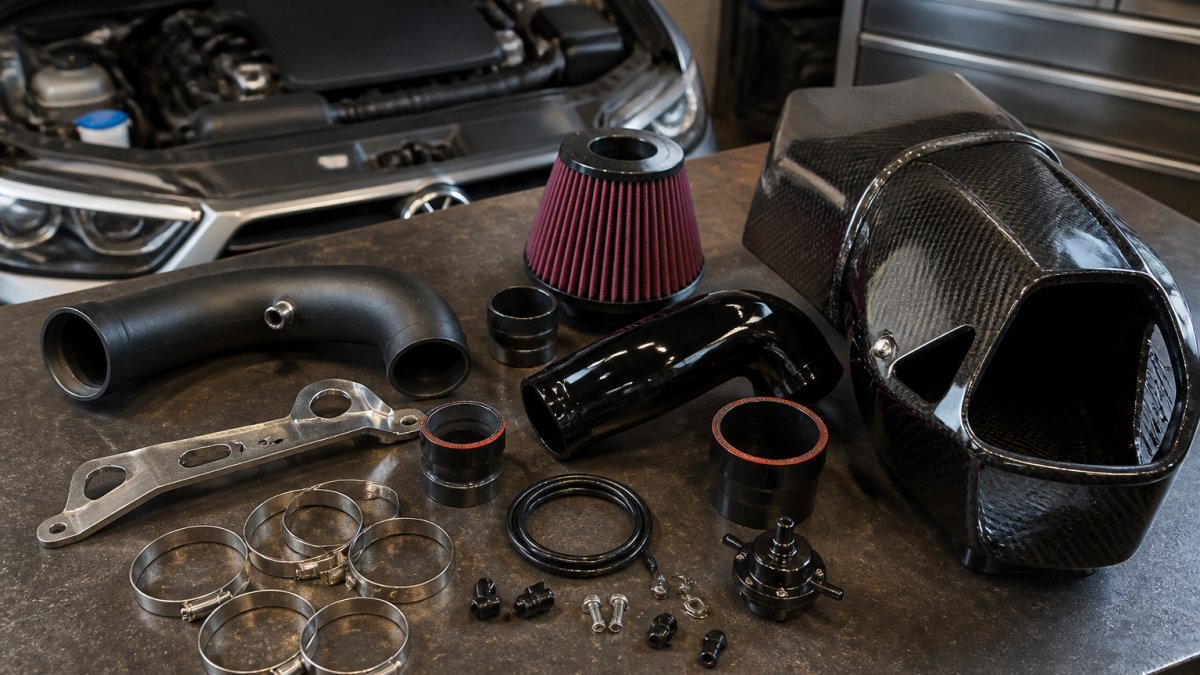
A remap and an induction kit work well together, but only when both are matched to the car. Read our guide on whether an induction kit and remap package is worth it before you decide.
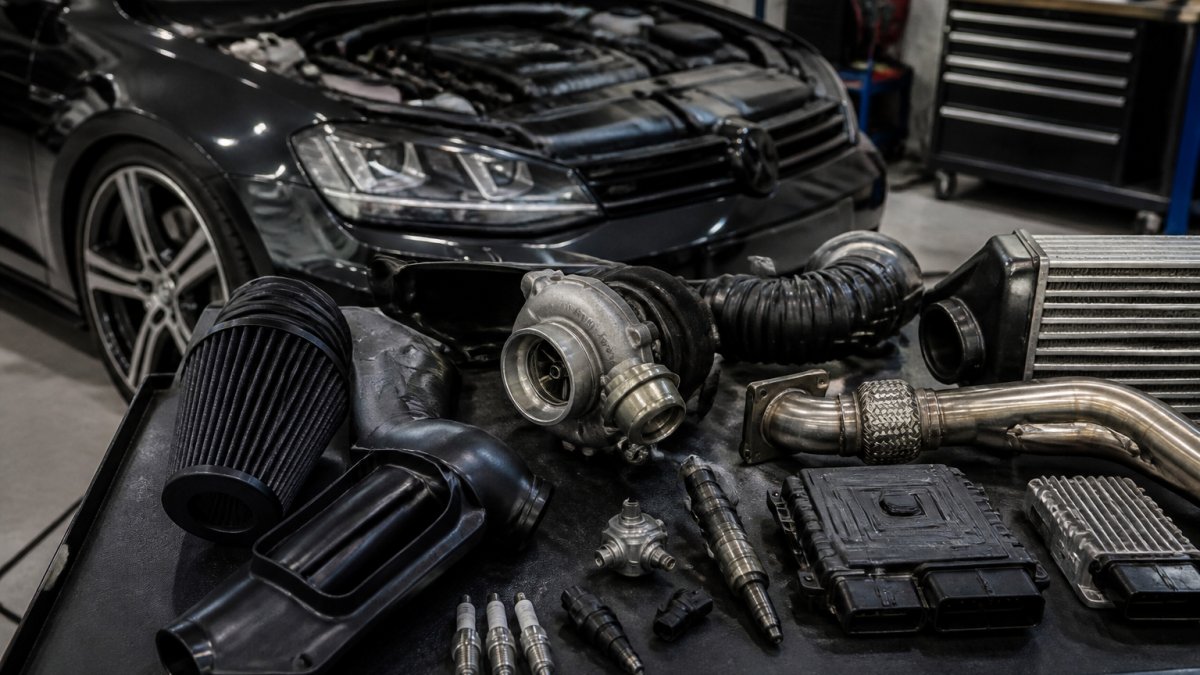
We supply induction kits for a range of engines, including a RAMAIR kit for VAG 1.9 and 2.0 TDI engines at £95.00 and a BMW B58 carbon-lid kit at £335.00.
You can book online when you are ready.
Frequently Asked Questions
Is remapping an engine safe?
A remap is safe when the vehicle is mechanically sound and the file is written by an experienced technician. A diagnostic health check should confirm there are no underlying faults before any work begins. Generic files sold online often ignore vehicle condition and can push components beyond their limits. A professional tuner will typically check the car after the work is done. Ask what testing is included before you book.
Can you do a remap yourself?
You can buy DIY remapping tools that read and write ECU data through the OBD port, but the risks are significant. Without a diagnostic health check you may overwrite a map while underlying faults are present, and a failed write can leave the ECU unusable. You also need a stable power supply and a backup of the original map. Most owners are better served by a professional tuner who can validate the result on a dyno and road test.
Will a remapped car fail its MOT?
A remap does not automatically cause an MOT failure, but emissions are tested and the car must still meet the limits for its age and fuel type. A poorly written file that over-fuels or removes emissions controls can push readings out of range. A reputable tuner will keep the map within safe parameters and confirm the vehicle still passes emissions testing. If you have had emissions-related faults, fix them before remapping.
Will my insurance go up if I remap my car?
Yes, in most cases. Remapping is a modification and must be declared to your insurer. Expect your premium to rise, and some insurers will decline cover for modified vehicles. Driving without declaring a remap can invalidate your policy and leave you liable for costs after a claim. Contact your insurer before booking to confirm they will cover the modification and what evidence they require.
Remapping rewards preparation. Get the health check right, choose a tuner who shows their process, and validate the result afterwards. Kestrel Prestige brings over 20 years of tuning experience, custom calibrations for petrol and diesel engines, trade and public discounts, and free gifts with every remap. Get started with Kestrel Prestige and book a safe, properly validated remap for your car.
Comments